
Test Data Engineering: The Missing Layer in Modern QA Automation
Test Data Engineering: The Missing Layer in Modern QA Automation
Modern QA automation has evolved rapidly over the past decade. Teams today build robust automation frameworks, integrate testing into CI/CD pipelines, and increasingly adopt AI-assisted testing tools. Yet despite these advancements, many automation initiatives still struggle with instability, inconsistent results, and high maintenance costs.
From my experience working in QA and automation across multiple projects, one root cause appears repeatedly, test data is poorly engineered or unmanaged.
We invest heavily in frameworks, tools, and pipelines, but the data that drives tests often remains manual, static, or unreliable. This gap is exactly where Test Data Engineering (TDE) fits, and why it is becoming a critical layer in modern QA architecture.
The Hidden Weakness in Automation: Test Data
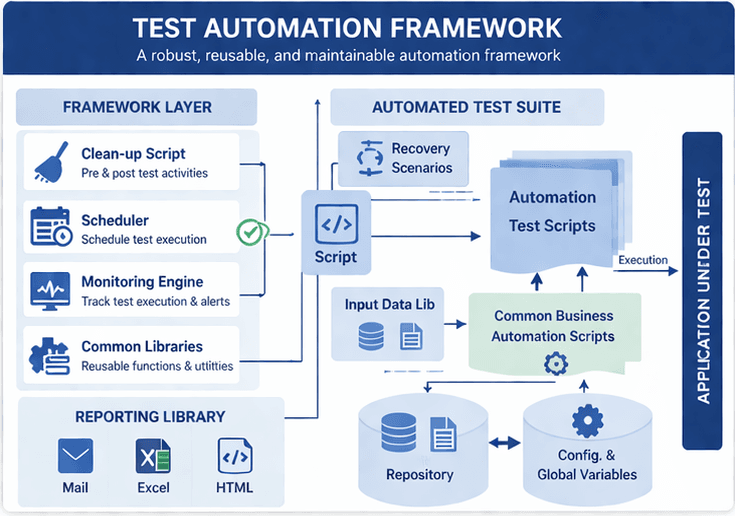
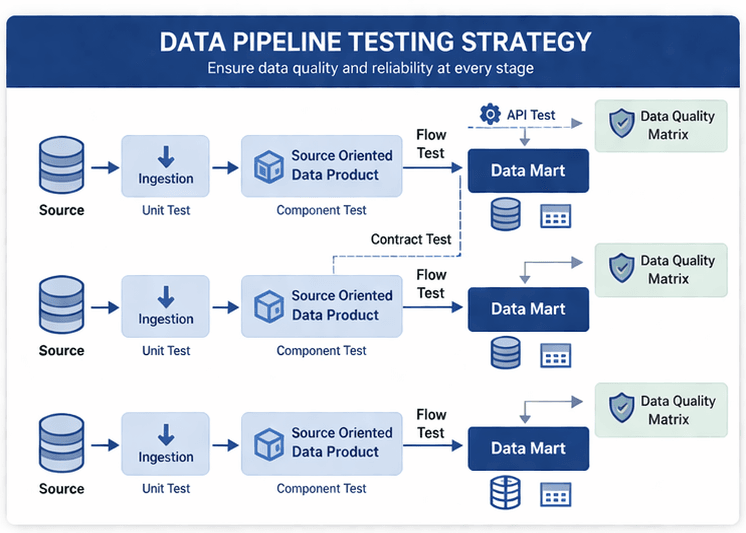
Most automation frameworks today are technically mature:
-
Page Object Models
-
API automation layers
-
CI/CD integration
-
Reporting dashboards
-
Parallel execution
However, the data feeding these tests is often:
-
Manually created
-
Shared across tests
-
Hard-coded
-
Environment-dependent
-
Non-repeatable
This mismatch leads to familiar automation problems:
-
Tests fail due to missing or invalid data
-
Parallel runs conflict over shared records
-
Environments become polluted
-
Edge cases remain untested
-
Flaky failures increase
In several teams I’ve worked with, QA engineers spent 30–40% of automation time preparing or fixing data, not writing tests. That clearly indicates a missing engineering layer.
What is Test Data Engineering?
Test Data Engineering (TDE) is the structured practice of designing, generating, managing, provisioning, and maintaining test data across environments.
Instead of treating data as a temporary test setup, TDE treats it as a managed lifecycle asset, similar to code.
A mature TDE layer typically includes:
-
Synthetic data generation
-
Data masking for compliance
-
Persona-based datasets
-
On-demand provisioning
-
Versioned datasets
-
Automated cleanup
In simple terms:
Automation frameworks test behavior, TDE ensures the right conditions exist to test it.
Why Traditional Test Data Approaches Fail
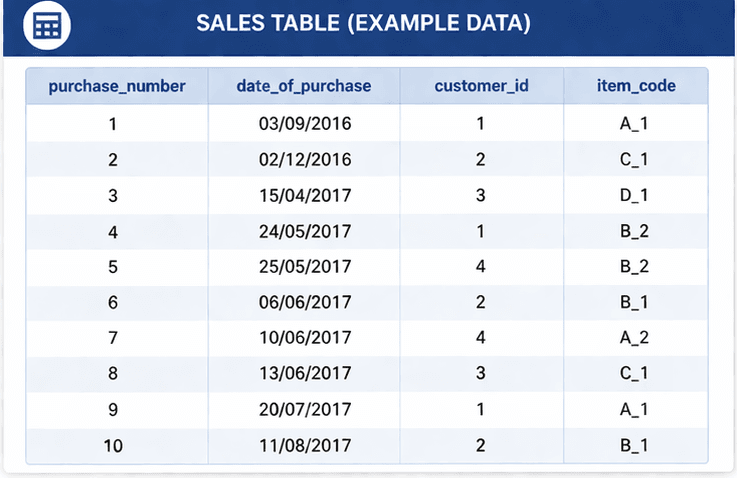
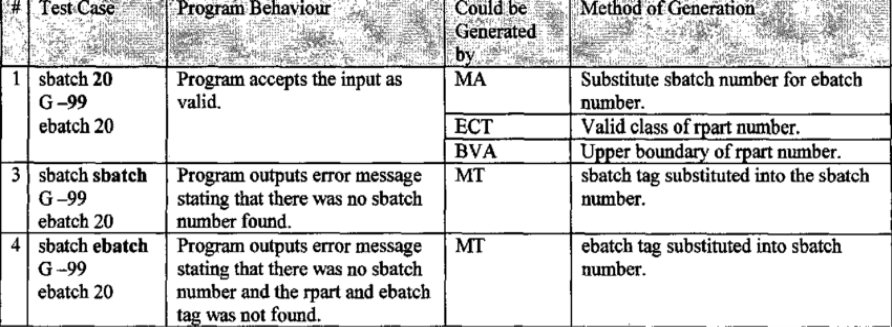
Traditional approaches often rely on:
-
Static CSV or Excel files
-
Shared QA accounts
-
Copied production records
-
Manual DB inserts
These methods break down as systems grow complex.
Example issues:
-
A shared user account becomes locked
-
A payment test changes account state
-
A record used by multiple tests gets deleted
-
A schema change invalidates datasets
Because data isn’t versioned or isolated, automation becomes fragile.
Core Pillars of Test Data Engineering
1. Data Modeling for Test Scenarios
Effective test data must reflect real business states, not just valid records.
Example (Subscription system):
-
New user without subscription
-
Active subscriber
-
Expired subscription
-
Payment failure history
-
Upgraded plan
-
Multi-tenant admin
These are data personas, not just rows in a database.
When tests request personas instead of raw IDs, automation becomes clearer and reusable.
2. Synthetic Test Data Generation
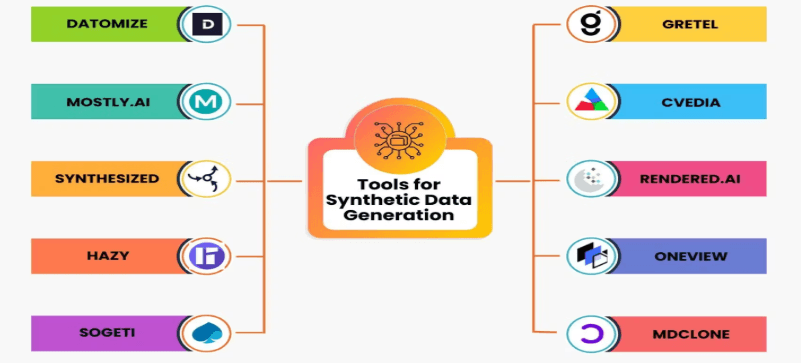
Synthetic data is artificially generated but realistic data.
Benefits:
-
No privacy risk
-
Unlimited volume
-
Repeatable states
-
Edge-case coverage
Example:
Instead of random emails:
<u>user123@test.com</u>
Generate meaningful data:
<u>premium_user_eu_failedpayment@testdomain.com</u>
The data itself communicates the scenario.
Modern tools can generate datasets statistically similar to production while remaining fully anonymized.
3. Data Masking and Compliance
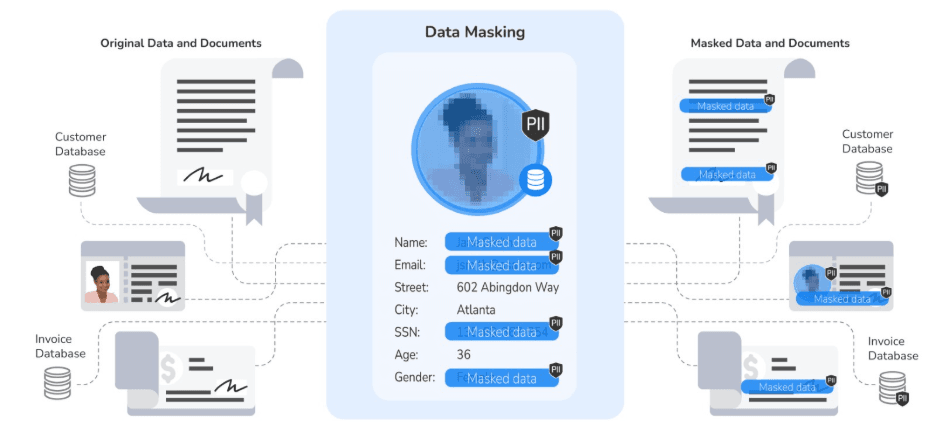
When production-like data is required, sensitive fields must be masked.
Common masked fields:
-
Names
-
Emails
-
Phone numbers
-
Financial identifiers
-
Addresses
Effective masking preserves:
-
Format
-
Relationships
-
Distribution
Poor masking breaks tests because data stops behaving realistically.
Regulations driving this need:
-
GDPR
-
HIPAA
-
PCI-DSS
Without TDE, compliance risks increase significantly.
4. On-Demand Test Data Provisioning
Automation should never depend on pre-existing records.
Instead, tests request data dynamically:
-
Test requests persona
-
TDE service generates data
-
Credentials returned
-
Test executes
-
Data cleaned
This enables:
-
Parallel execution
-
Isolation
-
Deterministic runs
-
Environment independence
5. Data Versioning and Lifecycle
Just like code evolves, datasets evolve too.
Example dataset versions:
-
v1: basic user
-
v2: user + subscription
-
v3: user + failed payments
-
v4: enterprise tenant
Versioning ensures:
-
Stable regression tests
-
Traceable changes
-
Controlled updates
Without it, schema changes silently break automation.
How Test Data Engineering Stabilizes Automation
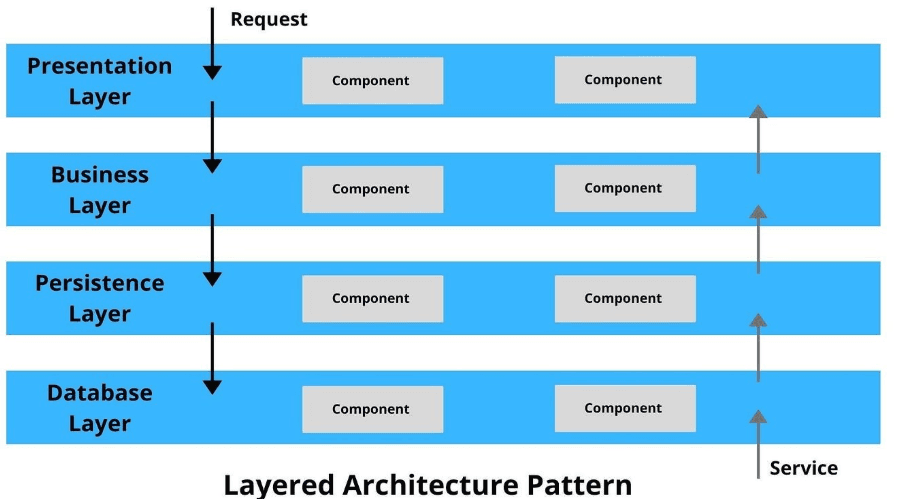
Most flaky tests fail due to data, not logic.
Typical causes:
-
Account already exists
-
Invalid state
-
Missing permissions
-
Expired tokens
-
Conflicting records
TDE eliminates these by guaranteeing:
-
Known starting state
-
Isolated data
-
Controlled lifecycle
-
Persona-aligned scenarios
The result is stable, trustworthy automation suites.
AI Tools Accelerating Test Data Engineering
AI is significantly improving how test data is generated and managed.
Synthetic Data Platforms
-
Tonic.ai
-
Gretel.ai
-
Synthesized
-
Mostly AI
Capabilities:
-
Production-like datasets
-
Statistical realism
-
Privacy preservation
-
Scenario generation
AI-Driven Data Masking
AI can detect and mask sensitive data automatically while preserving context.
Example detection:
-
“Rahul Sharma” → Name
-
“rahul.sharma@bank.com” → Email
-
“+91-98xxxxxx12” → Phone
Masking remains realistic and relational.
AI-Based Data Optimization
AI can analyze:
-
Production defects
-
Test coverage gaps
-
Usage patterns
Then suggest:
-
Missing personas
-
Rare states
-
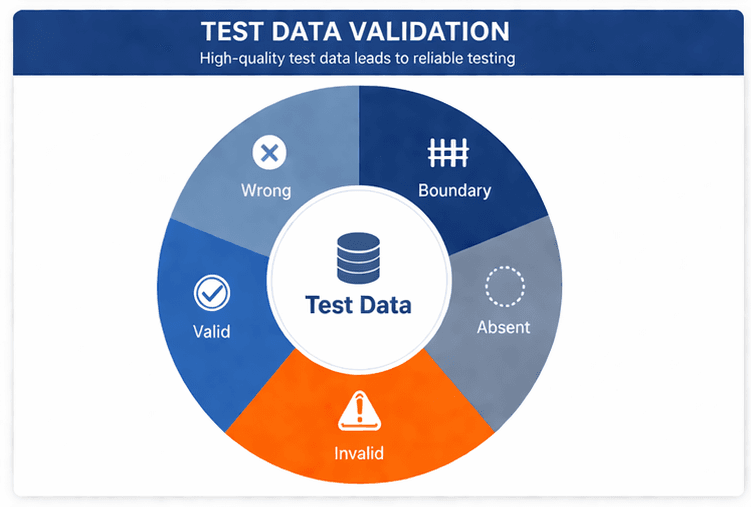
Boundary datasets
This makes test data adaptive instead of static.
Practical Implementation Approach for QA Teams
Adopting TDE does not require massive transformation initially.
Step 1: Map Data Dependencies
Identify what each test truly needs:
-
Entities
-
States
-
Relationships
Step 2: Define Data Personas
Create reusable catalog:
-
New user
-
Premium user
-
Expired subscription
-
Payment failure
-
Admin tenant
Step 3: Build Data Factory Utilities
Reusable helpers:
createUser(persona)
createSubscription(state)
seedTenant(config)
resetUser(userId)
Step 4: Automate Cleanup
After tests:
-
Delete created records
-
Reset states
-
Rollback changes
Prevents environment drift.
Step 5: Integrate into CI/CD
Pipeline flow:
-
Spin environment
-
Seed data
-
Run tests
-
Cleanup
Automation becomes deterministic.
Real-World Example: Subscription Platform
Before TDE:
-
QA manually created accounts
-
Renewal tests failed randomly
-
Regression unstable
After TDE:
Test requests persona:
active_subscription_renewal_due
System generates:
-
User
-
Subscription
-
Billing cycle
-
Payment method
Test runs reliably every time.
Business Impact of Test Data Engineering
Organizations adopting TDE commonly report:
-
Significant reduction in flaky tests due to controlled and consistent data
-
Faster automation execution by eliminating data dependencies
-
Improved scenario coverage, including edge and negative cases
-
Reduced environment maintenance effort
-
Enhanced compliance through data masking and synthetic data
-
Increased confidence in release decisions
Most importantly: teams trust automation results again.
Common Test Data Mistakes to Avoid
-
Shared static datasets
-
Hard-coded IDs
-
Manual account creation
-
Production data without masking
-
No cleanup strategy
-
No data ownership
These create fragile automation ecosystems.
The Future: Data-Aware QA Automation
Automation is evolving toward:
-
Persona-driven testing
-
Synthetic environments
-
AI-generated scenarios
-
Self-healing datasets
-
Data-aware pipelines
The modern automation stack will include:
-
Test logic layer
-
Environment layer
-
CI/CD layer
-
Test Data Engineering layer
TDE will soon be as standard as automation frameworks themselves.
Conclusion
Automation maturity is no longer defined only by frameworks, tools, or pipelines. The stability and realism of automated testing increasingly depend on how well test data is engineered and managed.
Test Data Engineering transforms data from a fragile dependency into a scalable, reusable, and reliable foundation for automation. By introducing synthetic generation, masking, provisioning, and lifecycle management, QA teams can dramatically improve automation stability and coverage.
As systems grow more data-driven and AI-enabled, the importance of TDE will only increase. Organizations that invest in this layer today will build automation suites that are not just automated, but dependable.
About the Author

Raksha Verma
Raksha Verma is a QA Lead with expertise in AI-driven test automation and modern quality engineering practices. She focuses on reducing automation maintenance while enhancing software quality and accelerating release timelines. Passionate about leveraging AI, she helps teams test smarter and deliver reliable products faster.
About the Author
Raksha Verma
Raksha Verma is a QA Lead with expertise in AI-driven test automation and modern quality engineering practices. She focuses on reducing automation maintenance while enhancing software quality and accelerating release timelines. Passionate about leveraging AI, she helps teams test smarter and deliver reliable products faster.