
QA Automation Through AI: The Future of Software Quality Engineering
QA Automation Through AI: The Future of Software Quality Engineering
Introduction
Traditionally, testing involved writing large numbers of automation scripts and manual test cases. When the application changed, many scripts would fail, causing teams to spend more time maintaining tests than identifying real defects.
With the rise of AI, QA automation has changed a lot. AI helps tests learn and adjust on their own, so we spend less time fixing scripts and more time testing new features.
Today’s applications change very fast, and manual testing or old automation methods are not enough. AI-based QA automation makes testing faster, smarter, and more reliable, helping teams focus on improving software quality instead of just maintaining tests.
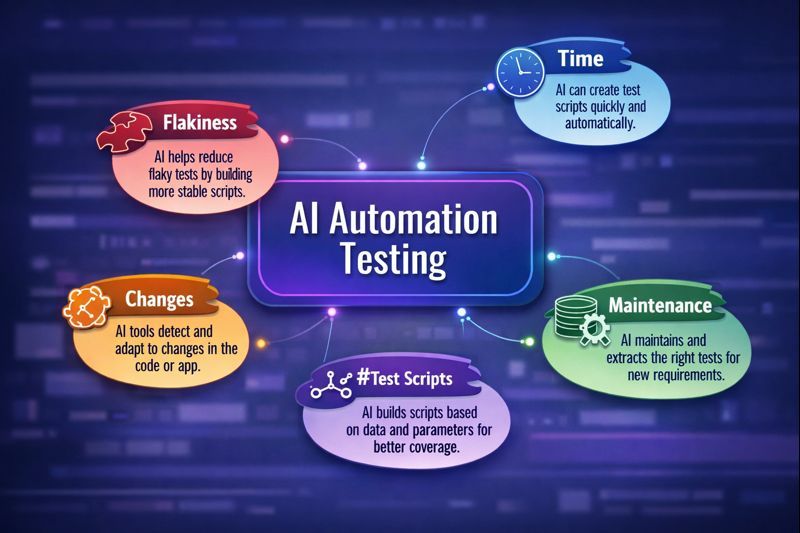 Figure 1: AI and Machine Learning are fundamentally changing how we approach test automation
Why AI is Essential for Modern QA
AI in QA addresses some of the most common day-to-day testing challenges. Without AI, teams often spend a large portion of their sprint fixing broken test scripts after even minor UI or functional updates.
Imagine this: You write 100 tests. A developer changes the location of a button on the page. Suddenly, all 100 tests break.
Fixing 100 broken tests takes days. You update the locators. You fix assertions. You cry a little.
This is where AI makes a real difference. Instead of manually fixing scripts, self-healing automation detects changes in the application and adapts the tests automatically, without constant human intervention.
Main benefits of AI testing:
-
Reduced manual effort – Self-healing mechanisms automatically handle UI changes
-
Faster feedback cycles – AI prioritizes high-impact test cases
-
Improved coverage – AI identifies scenarios that are often missed in manual or scripted testing
-
Lower maintenance cost – Less time spent fixing and maintaining automation suites
Key Capabilities That Actually Work
From my experience working with modern AI-driven platforms, there are five capabilities that genuinely make a difference in production environments.
1. Intelligent Test Case Generation
AI can study requirements, user stories, and app behavior to create meaningful test cases automatically. This saves time and improves test coverage by finding scenarios that manual testing may miss.
2. Self-Healing Test Scripts
Traditional scripts often break when the UI changes. AI-based self-healing updates locators automatically, reducing test maintenance effort and saving significant time after each release.
Real example: When our website was fully redesigned, we expected major test failures. Mabl automatically resolved about 85% of the issues, turning what could have taken a week into just a few hours.
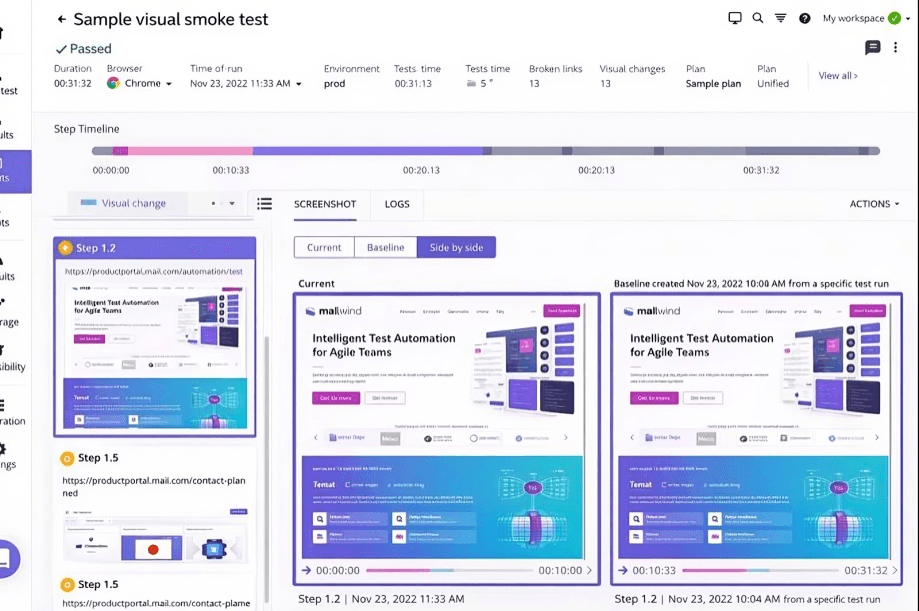 Figure 2: Mabl's AI-driven approach to test automation and intelligent learning
3. Smart Test Prioritization and Optimization
AI identifies high-risk areas based on code changes and past defects. Instead of running all tests, teams can run only the most important ones and get faster feedback.
For example: - You have 200 tests that take 4 hours to execute. You need feedback within 30 minutes. AI selects the 50 most impactful tests, which catch nearly 95% of critical defects and complete execution in about 20 minutes.
4. Predictive Analytics for Defect Prevention
AI predicts where defects are likely to occur by analysing historical data. This helps teams prevent issues early and improves collaboration with developers.
5. Visual and User Experience Testing
Pixel-perfect testing across browsers, devices, and resolutions is extremely difficult to achieve manually. AI-powered visual testing tools compare UI screens across environments to detect layout issues, spacing problems, and visual inconsistencies.
This type of visual regression testing ensures a consistent user experience that traditional functional checks often miss. Tools such as Applitools, Percy, Chromatic, and AI-enabled platforms like Mabl use computer vision and intelligent comparison to highlight only meaningful visual differences while ignoring acceptable UI changes
Real Tools, Real Experience: Mabl and TestRigor
Working with specific platforms has given me concrete insights into how AI-driven QA actually performs.
My Experience with Mabl
Mabl is easy to use and well known for its strong self-healing features. Our team became productive very quickly because testers do not need deep coding skills to create and maintain tests.
A real example: during a full website UI redesign, we expected most tests to fail. Instead, Mabl automatically fixed about 85% of the tests. We only reviewed the remaining 15%, which took a few hours instead of a full week.
Mabl’s analytics dashboard shows test failures, trends, and coverage clearly, helping teams focus on the most important areas. It works best for UI-focused applications.
Good things:
-
No coding needed - anyone can use it
-
Tests fix themselves automatically
-
Beautiful reports and dashboards
-
Works fast - ready in 2-3 days
My Experience with TestRigor
TestRigor is easy to learn because tests are written in simple English instead of code. This makes test cases clear and understandable for both technical and non-technical team members.
Key benefits:
-
Tests are written in plain English, not programming languages
-
Business and product teams can easily understand the tests
-
Supports web, mobile, and desktop applications
-
Even managers or non-QA members can create test cases
My experience: I created a test by writing: “Click login button. Enter email. Click submit. Verify welcome message.” This sentence worked as a real automated test without any coding.
AI Techniques Making This Possible
These capabilities don't happen by magic. Understanding the underlying technologies helps you leverage them effectively.
Machine Learning is the foundation, allowing systems to learn from past test runs, identify patterns, and improve over time. Each execution helps the system understand which tests are most valuable and where failures are likely.
Natural Language Processing enables tests to be written in simple human language. This allows requirements and user stories to become executable for tests and makes automation accessible to non-technical team members.
Computer Vision supports visual testing by checking layouts, colours, spacing, and UI consistency across devices and browsers, not just element presence.
Predictive Analytics helps teams prevent issues by using historical data to identify high-risk areas before defects appear.
The Honest Challenges
AI-driven QA is powerful but not without challenges. It requires upfront investment in tools, training, and changes in team mindset. Testers need time to adapt to new workflows.
High-quality data is essential—AI produces poor results if historical test data is weak or inconsistent. There is also a skill gap in effectively using AI tools, making gradual and continuous learning critical for long-term success.
Most importantly, AI does not replace testers. It augments them. Human testers bring domain understanding, creativity, and judgment, while AI provides speed, scalability, and consistency.
The Path Forward
QA is moving toward autonomous systems that learn from test runs, adapt to changes, and decide test priorities on their own. While this future is still evolving, progress is happening quickly.
Soon, AI will explain why failures happen, automatically improve test suites, and provide real-time quality insights. Single platforms will handle UI, API, mobile, and backend testing together.
Teams that adopt AI-driven QA early will release faster, improve quality, and shift QA work from maintenance to strategic quality planning.
Conclusion
AI is transforming QA automation and is no longer optional for teams focused on speed and quality. Platforms like Mabl and TestRigor help reduce test maintenance, improve coverage, and deliver faster feedback. While other AI-driven testing tools such as Applitools, Testim, and Functionize are widely used across the industry, our approach has been to adopt solutions that best align with project needs, team capabilities, and faster value delivery with minimal automation overhead.
Although adoption requires thoughtful implementation, teams that start early and invest in gradual learning see the greatest benefits. Modern QA is no longer about testing more—it is about testing smarter.
If you have not explored AI-driven QA yet, now is the right time to start.
About the Author

Raksha Verma
Raksha Verma is a QA Lead with expertise in AI-driven test automation and modern quality engineering practices. She focuses on reducing automation maintenance while enhancing software quality and accelerating release timelines. Passionate about leveraging AI, she helps teams test smarter and deliver reliable products faster.
About the Author
Raksha Verma
Raksha Verma is a QA Lead with expertise in AI-driven test automation and modern quality engineering practices. She focuses on reducing automation maintenance while enhancing software quality and accelerating release timelines. Passionate about leveraging AI, she helps teams test smarter and deliver reliable products faster.