Moltbot (formerly Clawdbot): Turning AI From Conversation into Action
Moltbot (formerly Clawdbot): Turning AI From Conversation into Action
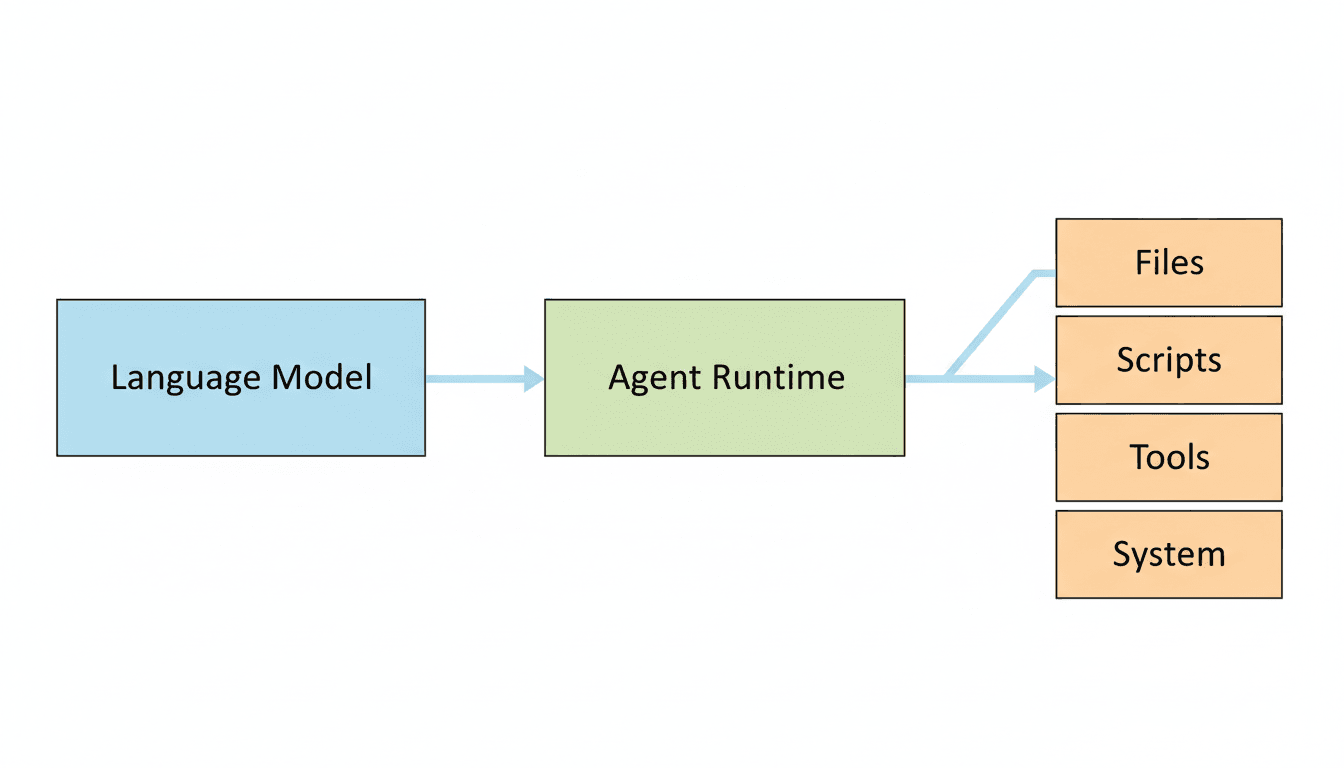
Moltbot is an open-source AI agent framework built to move beyond chat-based interactions and enable real task execution. Instead of stopping at responses, it allows language models to perform controlled actions in real environments.
It’s designed for developers who want AI to assist with real work, not just conversations.
In short, Moltbot helps AI move from “telling you what to do” to “safely doing it with you.”
Core Purpose
Most AI tools stop at suggestions. Moltbot goes further by allowing language models to interact with files, tools, and systems in a structured and controlled way.
For example:
-
Scan a codebase and locate potential issues
-
Generate configuration files in the correct directory
-
Run scripts to format code or fetch logs
This shifts AI from advice to action while keeping humans in control.
Architecture
Moltbot acts as an intermediary between the language model and the local environment.
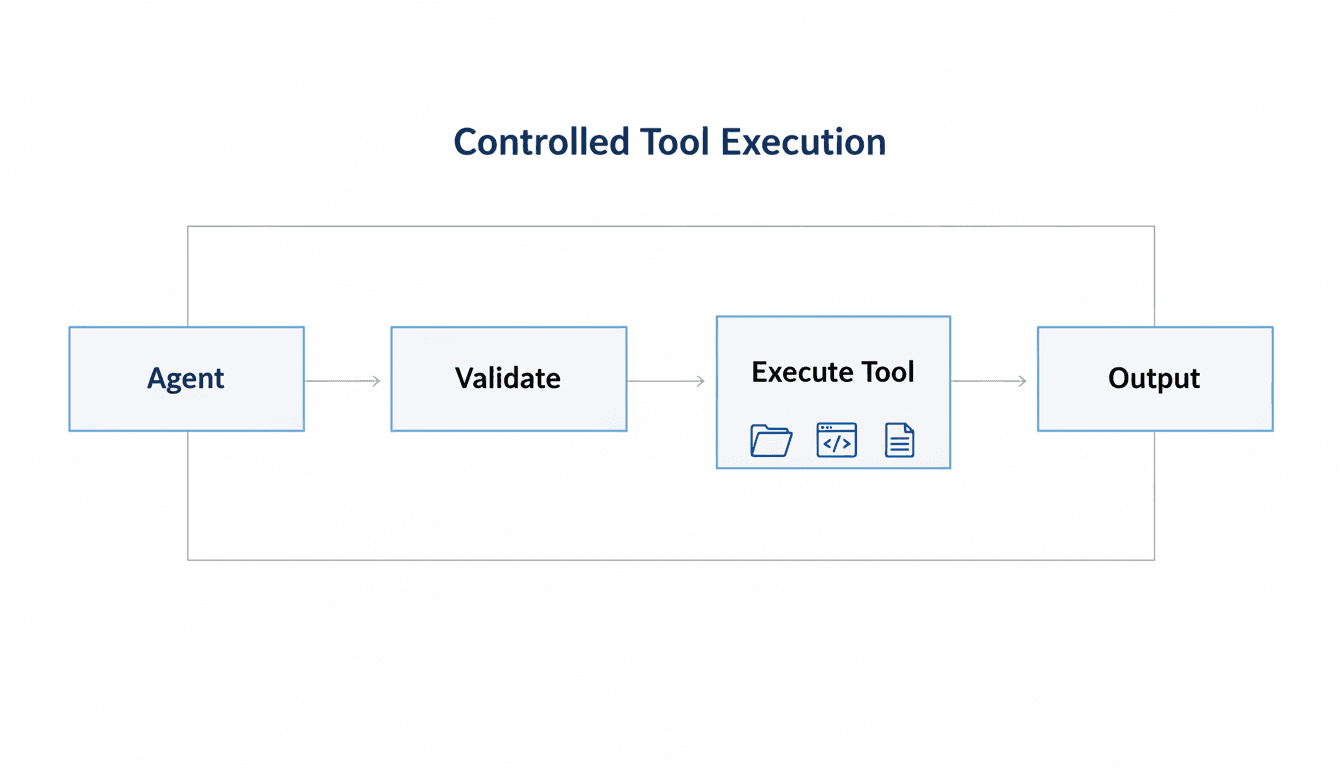
Instead of granting unrestricted access, every action follows a clear flow. The model proposes an action, the framework validates it, and only then is it executed.
For instance:
-
File reads must be explicitly requested
-
Commands pass through a controlled execution layer
-
Unsafe or undefined actions are blocked
This keeps behavior predictable and prevents unintended changes.
Tool Design
Capabilities are exposed through defined tools rather than direct system access.
Each operation is wrapped in a controlled interface, such as:
-
read_file to inspect files safely
-
write_file for controlled updates
-
run_command limited to approved commands or directories
This makes the system extensible without becoming risky.
Transparency & Control
Transparency is a core design principle.
Every action is logged, reviewable, and auditable. Developers can clearly see what the agent attempted and what actually ran.
This is especially useful when:
-
Assisting junior developers
-
Building internal tools
-
Automating repetitive tasks with accountability
Because the framework is open source, teams can inspect and adapt it to their own standards.
Security Considerations
Because Moltbot can read files, execute commands, and interact with local systems, it should be treated like any automation tool with elevated privileges.
A few practical safeguards help reduce risk:
-
Run the agent inside a sandbox or isolated environment
-
Restrict file and directory access to only what is necessary
-
Limit which commands or tools the agent is allowed to execute
-
Review and log every action for traceability
-
Avoid running with admin or root privileges
-
Test new tools and workflows in staging before production use
One additional risk to consider is prompt injection. If the agent processes untrusted content, such as documents or messages, hidden instructions could influence its behavior. Since models may not always distinguish between content and commands, validating actions and limiting permissions is important.
Similarly, when integrating with messaging apps or shared folders, grant only the minimum access required. These are not flaws in the framework itself, but normal operational risks that come with any automation tool. With proper controls, they remain manageable.
Example
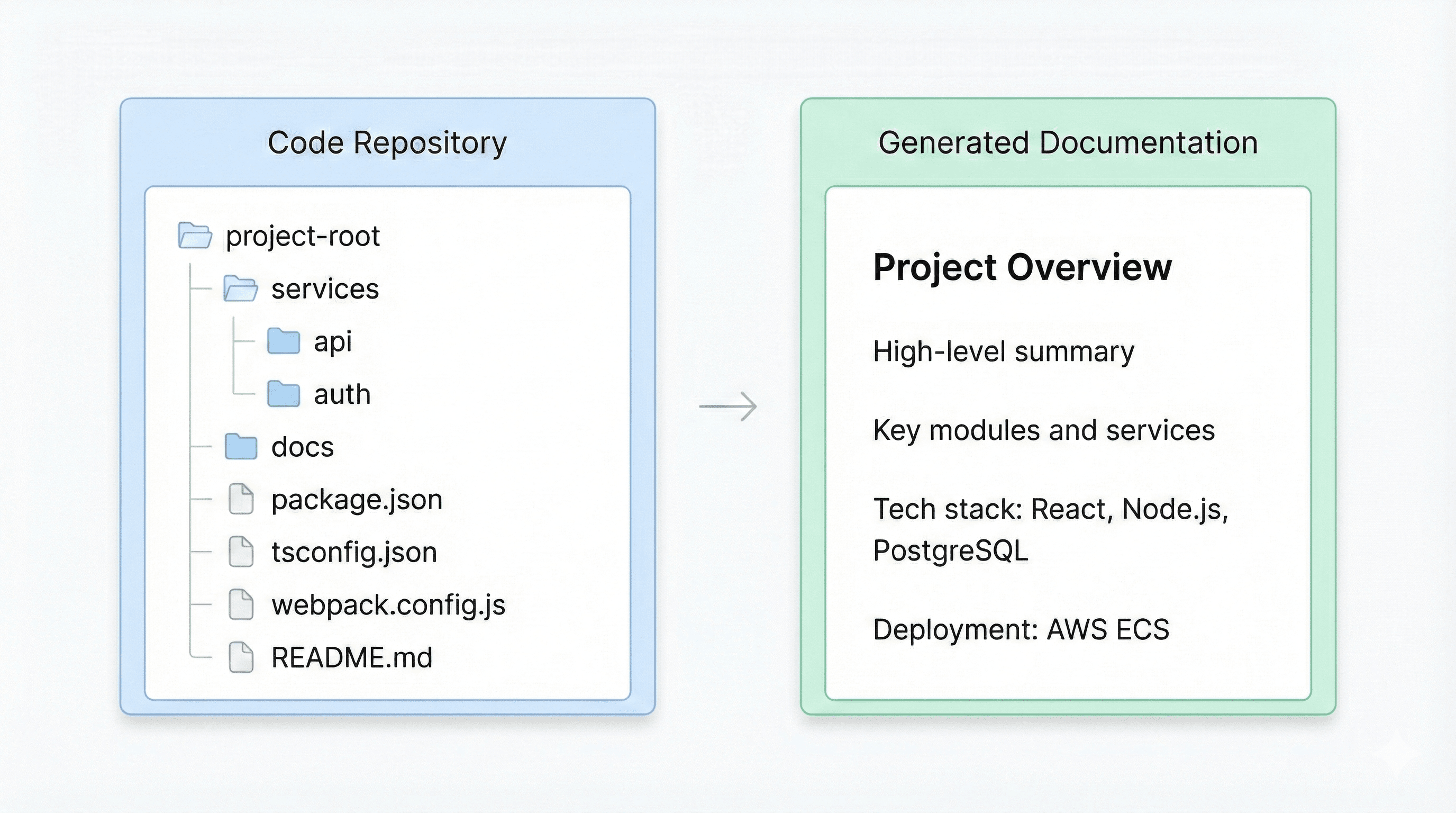
In practice, this works well for scenarios like developer onboarding:
-
Scan a repository
-
Identify core services and configurations
-
Generate a concise overview of the system structure
This reduces ramp-up time without giving AI unrestricted access to the environment.
Practical Adoption Scenarios
Moltbot fits naturally into developer workflows, such as:
-
Navigating repositories and explaining architecture
-
Preparing reports or documentation automatically
-
Supporting internal tools with controlled automation I t’s meant to be a building block for workflows, not a standalone product.
Why the Project Gained Attention
The project resonated because it addressed a practical gap. Teams want AI that integrates into their workflow and safely performs tasks, not just another chat interface.
By focusing on action, control, and clarity, Moltbot offers a responsible approach to agent-based AI that developers can trust.
Closing Perspective
Moltbot reflects a broader shift in how AI tools are evaluated. The focus is no longer only on how well a model communicates, but on how reliably it can operate within real systems.
Good AI agents aren’t about autonomy alone. They’re about controlled, trustworthy execution.
Sources
-
Business Insider – Clawdbot renamed to Moltbot after trademark request
-
The Verge – Overview of Moltbot and how the AI agent works locally
-
DataCamp – Moltbot tutorial and practical usage walkthrough
-
Scientific American – Moltbot explained as an open-source AI agent
-
dev.to – Community write-up on the project’s rapid growth and context
About the Author

Aditya Shukla
Aditya is a tech-focused Business Analyst and Project Manager skilled in turning complex requirements into clear, executable products.
About the Author
Aditya Shukla
Aditya is a tech-focused Business Analyst and Project Manager skilled in turning complex requirements into clear, executable products.